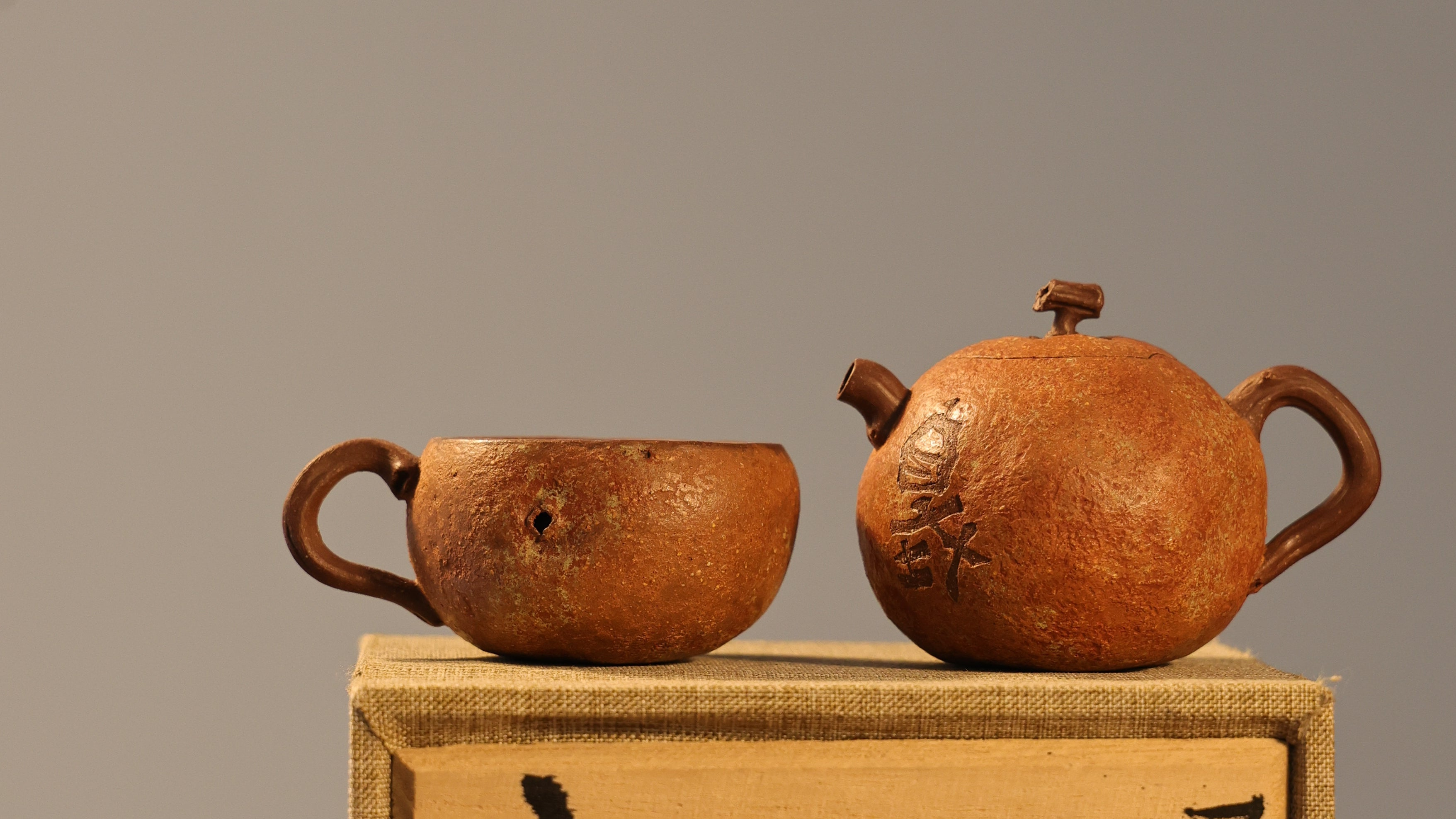
Throughout enduring chronicles,
During millennia, aficionados have been enthralled by the uncommon charm of Yixing Zisha teapots. Originating from the locality of Yixing in the nation of China, these utensils are renowned for their exceptional beauty, scarce clay, and intrinsic ability to perfect the savor of the beverage. The substrate's distinctive burgundy hue, combined with the adept creation of provincial builders, creates works that are jointly functional objects and treasured financial interests. Obtaining a Zisha teapot is more than just such a purchase; it's inviting a rich ancestral heritage.
Investigating Yixing Teapots: Evolution, Styles, and Price
Celebrated Yixing teapots serve as a deep past deeply intertwined with Chinese culture. Emerging in the Yixing region of Jiangsu province, these clay vessels boast a heritage extending back to the Ming Dynasty. Initial examples were functional, but over centuries, Yixing teapot building evolved into an esteemed art form. The clay itself, known for its unique vitality and ability to boost the flavor of the tea, exists a defining factor. Yixing teapots appear in various styles, broadly categorized by shape: Historic such as Zhuni (purple clay) and Bisheng, as well as exclusive designs. The cost of a Yixing teapot relies on several factors, including the potter’s reputation, the age of the piece, the rarity of the clay, and its aesthetic grace.
- Chronology: Founding era
- Material: Several sorts
- Cost Determinants: Craftsman's renown
Zisha Claycraft: Techniques and Artists
Unique construction of a genuine Zisha teapot is a elaborate process, requiring long spans of expertise. Veteran artisans meticulously pick the finest Zisha clay, a exclusive earth found only in specific regions of China. Time-honored techniques, often bequeathed through families, involve accurate shaping, sophisticated carving, and steady firing in ancient ovens. The final teapot isn't merely a holder; it's a testament to creative vision and the weighty connection between the craftsman and their background. Each object showcases the special touch of the craftsman, resulting in a truly one-of-a-kind work of creation.
Chinese Earthenware: Discovering the Extensive Heritage of Yixing Province
This Yixing, found in Jiangsu the province of Jiangsu, is worldwide Yixing Zisha Teapot renowned for its exceptional teapots – a tangible representation of centuries of Chinese heritage. These aren't merely vessels for processing tea; they are intricate works of craftsmanship, often reflecting ideological ideals. The unique purple clay, known as Zisha, possesses extraordinary qualities: the element dense, breathable, and imparts a subtle essence to the tea.
- Plentiful clans have honed the techniques of Yixing urn making, passing down exclusive methods through families.
- Devotees prize these pieces for their charm and uniqueness.
- A number of urn tells a story, connecting the consumer to a rich tradition.
The assembly process, from extracting the clay to the final coating, is a complex and exacting endeavor, resulting in immortal treasures.
Acquiring Yixing Zisha: Crucial Elements
Upon considering acquiring Yixing Zisha pots, diverse points involve careful scrutiny. Initially, the element's pigment is paramount; authentic Zisha commonly exhibits a evident maroonish gradient. As well, assess the workmanship; sharp elements and a silky layer show competent construction. Concluding, research the maker’s history; celebrated names fetch greater values and often provide a more investment.
Brewing Excellence with Zisha Teapots
Steeping tasty tea with a Zisha container is more exceeding a simple ritual; it's an craft. Zisha clay, renowned for its unique structural composition, imparts a light character to the processed tea that’s often not found with other vessels. The correct water heat is key; typically, subdued than what's used for black tea, to conserve the tea's perfume and palate. Consider thoroughly the tea form; delicate green teas or aged pu-erhs improve from the Zisha’s ability to ease their intrinsic edge. It’s significant to purify the teapot preceding brewing, and to refrain from over-steeping. Mastering this practice leads to a truly exceptional tea instance.
- Learning Zisha Clay
- Thermal Condition of Water & Variety of Tea
- Essence of Tempering
Sustaining Your Renowned Clay Pot
Intending to sustain the existence of your precious Yixing earthenware, careful protection is essentially important. Eschew using chemical cleaners; instead, delicately purify it with tepid hydrous medium. Shun sudden variations; don't deposit the vessel directly onto a thermally active platform. Periodically, develop the kettle by brewing it with top-notch puerh steep, as this aids to strengthen its personality and guards the inimitable attributes of the component.
Regarding Clay to Goblet: The Journey of a Chinese Kettle
The creation of a Zisha teapot is a notable procedure, a indication to both the planet's bounty and the skill of the craftsman. It commences with the rigorous extraction of the unique clay from the plum Zisha mines adjacent to Yixing. This prime material, known for its extraordinary characteristics, is then methodically cleaned and shaped for the early forming. The teapot's design is artfully formed using a mix of classical sculpting methods, often incorporating detailed motifs. Following aging, the vessel undergoes a essential first firing, accompanied by a varnishing stage, which might involve countless layers of pure Zisha coatings. Finally, a second, and sometimes third, firing at extreme temperatures finishes the product, revealing its finished beauty and fantastic characteristics - a true masterpiece, prepared to adorn a tea event.
{Yixing Teapots: A Manifestation of a Way of Life and Honoring
This Yixing teapots, originating from the celebrated Yixing region of Jiangsu province, are far more than mere receptacles for brewing brews; they represent a major aspect of Chinese traditions. Produced from distinctive purple clay – zisha – these uncommon teapots are highly esteemed for their ability to enrich the flavor of the tea and, crucially, for their elegance. The chronicle of Yixing teapot making spans centuries, and the technique involved is entrusted through generations, making each teapot a decorative item that embodies lasting techniques and a profound appreciation for the minimalist pleasures in life.
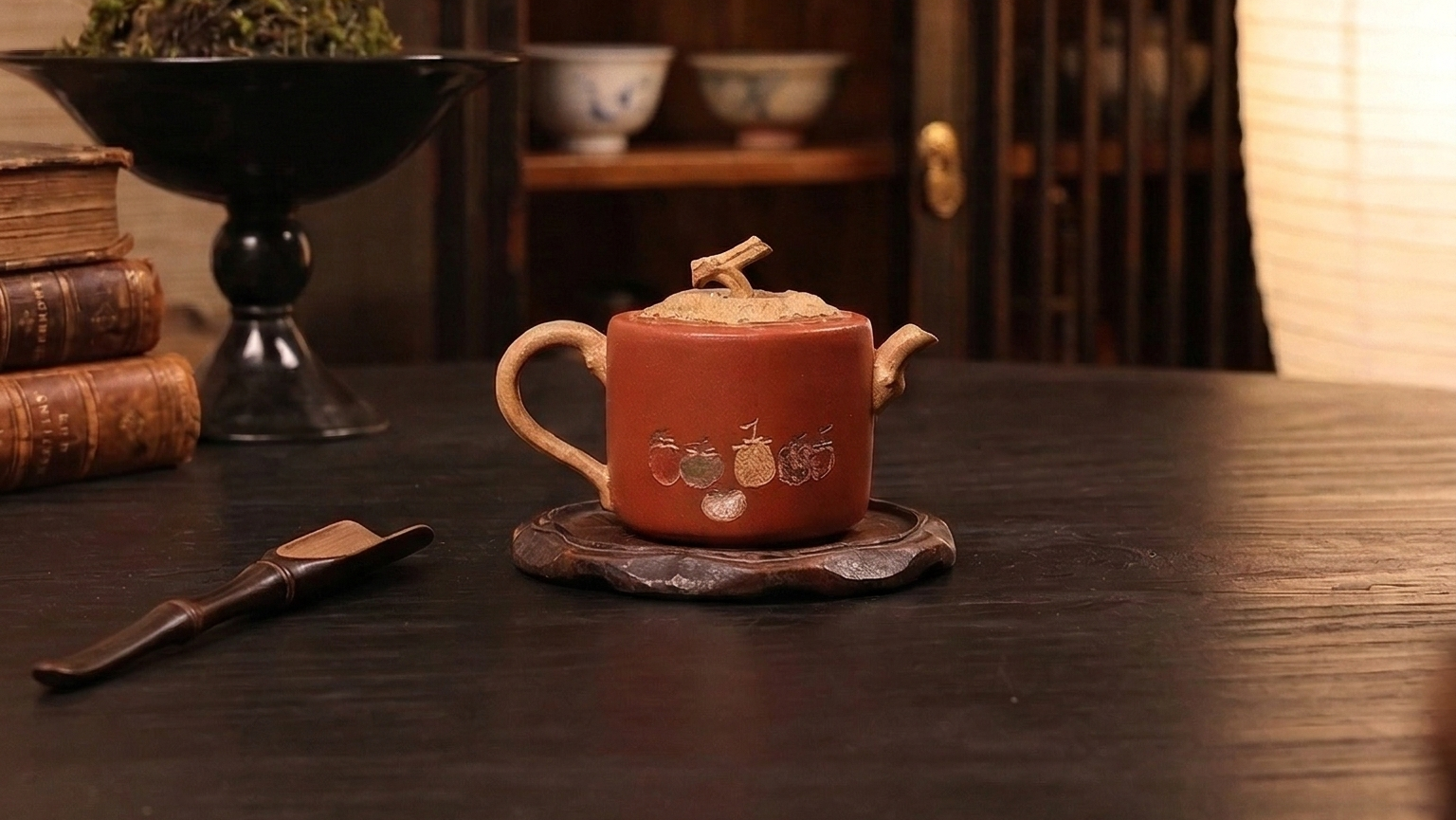
Comments on “How does showcasing artisan profiles elevate your Yixing Teapot line?”